

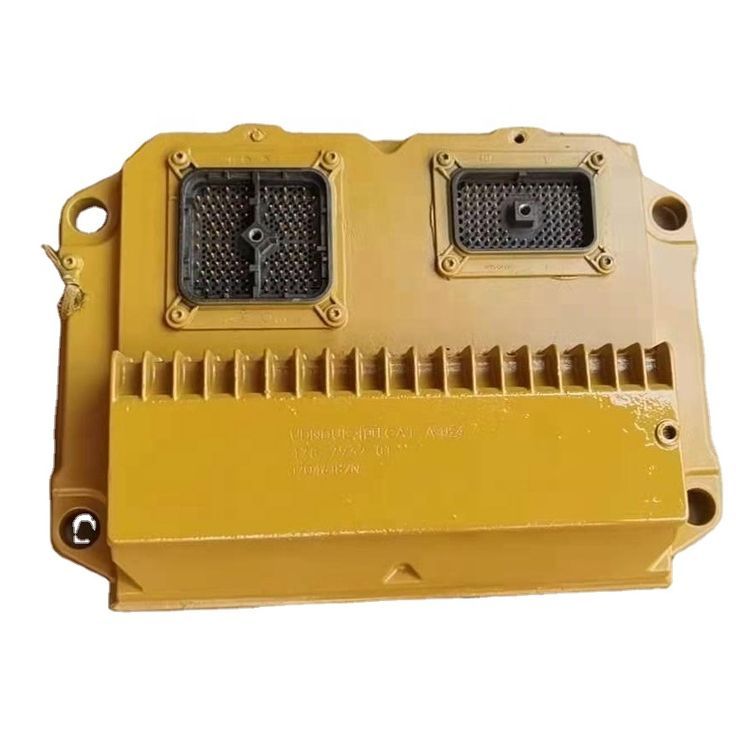
What Are the Most Common Signs of a Failing ECM?
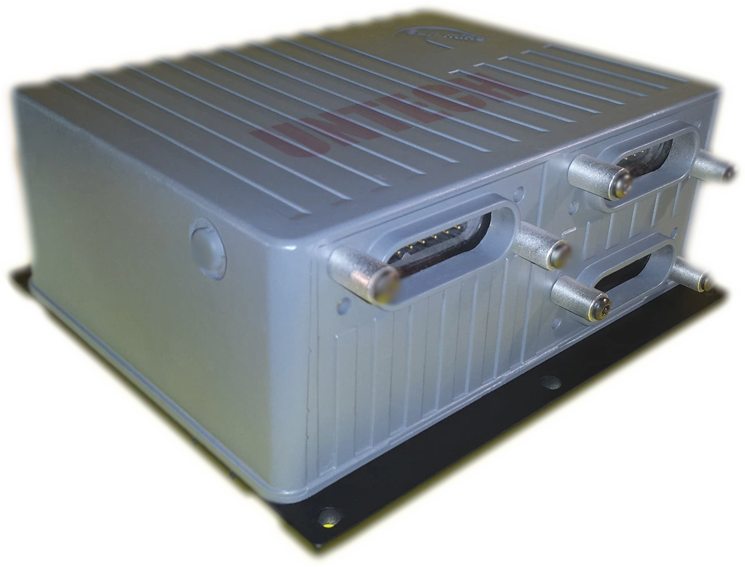
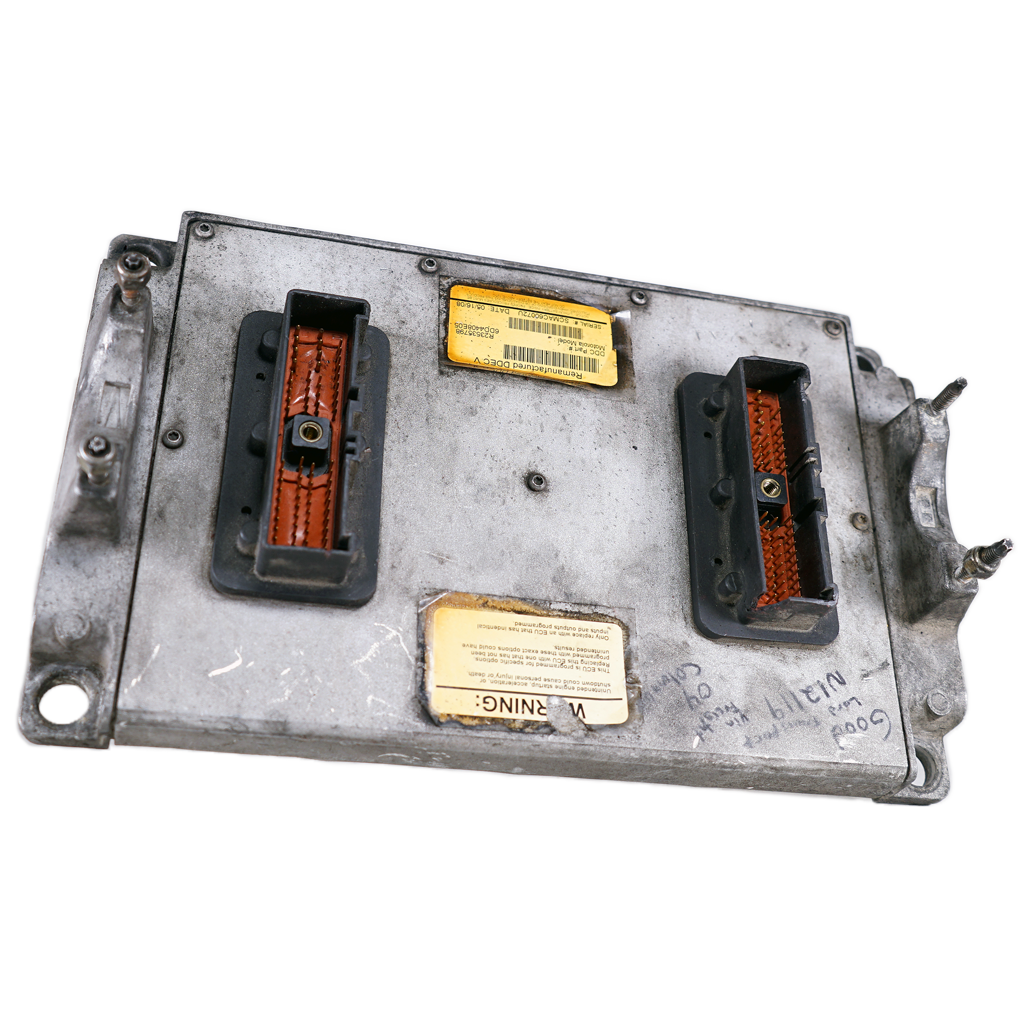
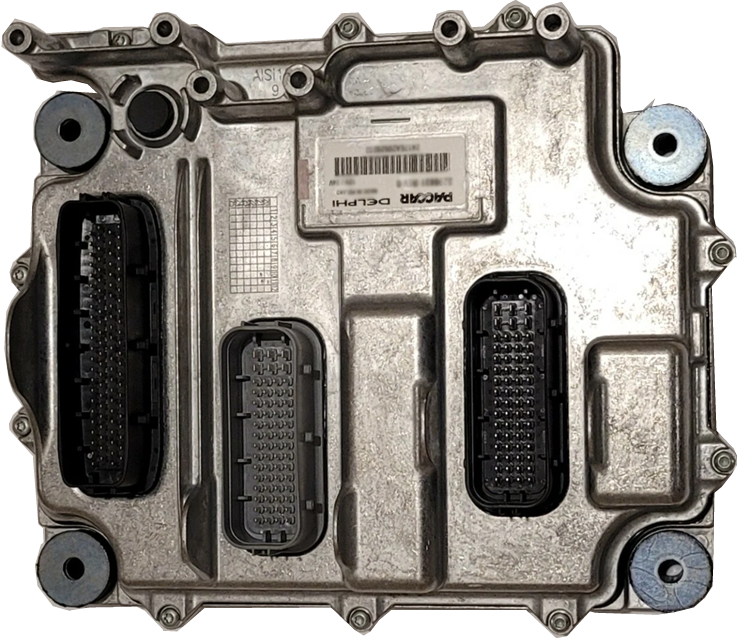
The Engine Control Module (ECM) is one of the most important electronic components in a modern vehicle, truck, or piece of heavy equipment. It monitors and controls many engine functions using information received from sensors throughout the vehicle.
Like any electronic module, an ECM can develop faults over time. Heat, vibration, moisture, electrical problems, damaged wiring, short circuits, and component failure can all contribute to ECM-related problems. However, many symptoms associated with a faulty ECM can also be caused by other components, so proper diagnosis is important before replacing or repairing the module.
1. Engine Cranks but Does Not Start
A no-start condition is one possible symptom of an ECM problem. The engine may crank normally but fail to start because the ECM is unable to properly control fuel injection, ignition, or other required engine functions.
Before assuming that the ECM is defective, the vehicle's power supply, grounds, wiring, sensors, fuel system, and related components should also be checked.
2. No Communication With Diagnostic Equipment
If a diagnostic scanner cannot communicate with the ECM, there may be a problem with the module. However, loss of communication can also result from damaged wiring, poor power or ground connections, blown fuses, or problems elsewhere in the vehicle communication network.
Testing the ECM independently can help determine whether the communication problem originates inside the module or elsewhere in the vehicle.
3. Intermittent Starting or Stalling
Some electronic failures occur intermittently. A vehicle may start and operate normally when cold but develop problems after reaching operating temperature. In other cases, vibration or temperature changes may cause the engine to stall or prevent it from restarting.
Intermittent faults can be difficult to diagnose because the problem may disappear before the vehicle reaches a repair facility.
4. Injector or Output Circuit Problems
The ECM controls a number of electrical outputs. Depending on the application, these may include injectors, relays, solenoids, actuators, and other engine components.
A damaged internal driver circuit can sometimes cause one or more outputs to stop operating correctly even when the external component and wiring are functioning normally.
5. Sensor Reference Voltage Problems
Many engine sensors depend on a regulated reference voltage supplied by the ECM. An abnormal or missing reference voltage can cause multiple sensor-related fault codes or incorrect readings.
This does not automatically mean that the ECM is defective. A shorted sensor or damaged wiring can also pull down a reference voltage circuit, which is why the external circuits should be inspected before determining that the ECM requires repair.
6. Water or Moisture Damage
Water intrusion and moisture can cause corrosion on circuit boards, connectors, and electronic components inside an ECM. Depending on the extent of the damage, symptoms may range from intermittent operation to complete module failure.
Early inspection is particularly important with water-damaged modules because corrosion can continue to spread after the original exposure.
7. Multiple or Unusual Fault Codes
In some cases, an ECM with an internal electronic problem may produce multiple unrelated fault codes or inconsistent diagnostic information. When several circuits appear to fail simultaneously, the ECM, its power supplies, grounds, connectors, and wiring should be included in the diagnostic process.
Does a Fault Code Mean the ECM Is Bad?
No. A diagnostic trouble code does not necessarily mean that the ECM itself has failed. Fault codes identify a circuit or operating condition that requires investigation. Sensors, actuators, wiring, connectors, power supplies, grounds, and mechanical problems can produce symptoms that appear similar to an ECM failure.
For this reason, replacing an ECM without proper diagnosis can be expensive and may not solve the original problem.
Can a Faulty ECM Be Repaired?
Many ECM electronic failures can be repaired, depending on the type and extent of the damage. Professional testing can help identify problems involving internal power supplies, communication circuits, output drivers, damaged electronic components, and other circuit-board faults.
At MetxTech, we provide professional electronic testing and repair services for ECMs and other automotive, heavy-duty, marine, and equipment control modules. Each module is evaluated to determine whether an electronic fault can be identified and whether repair is possible.
Need Your ECM Tested or Repaired?
If you suspect an ECM problem, proper vehicle diagnosis should be performed before removing the module. If the ECM has been identified as a possible source of the problem, you can contact MetxTech for information about testing and repair options for your specific module.
💬 Comments (0)
No comments yet. Be the first to comment!
✍️ Leave a Comment