

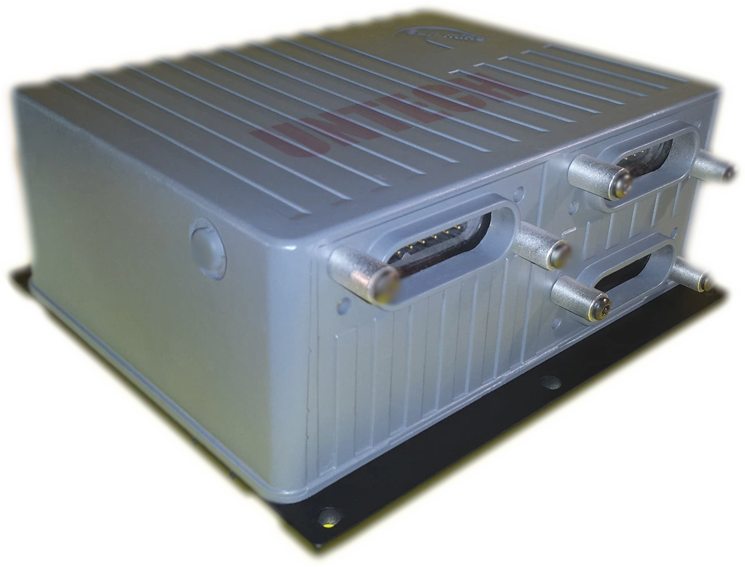
Cummins N14 CELECT ECM Failure Symptoms and Repair Options
The Cummins N14 is a well-known heavy-duty diesel engine used in many commercial truck applications. Depending on the engine configuration and year, N14 engines may use CELECT or CELECT Plus electronic control systems. The Engine Control Module (ECM) plays a central role in controlling fuel delivery, monitoring engine sensors, and communicating with diagnostic equipment.
As these ECMs age, electronic components and internal circuits can develop faults. Symptoms may include no-start conditions, loss of communication, intermittent operation, injector-related problems, or other electrical issues. However, these symptoms do not automatically mean that the ECM is defective. Proper diagnosis of the engine, wiring, power supplies, grounds, sensors, and related circuits should be performed before the ECM is removed for testing.
Common Cummins N14 ECM Failure Symptoms
Depending on the type of electronic fault, possible symptoms of an N14 CELECT or CELECT Plus ECM problem may include:
- Engine cranks but does not start
- No communication with diagnostic equipment
- Intermittent starting or shutdown problems
- Injector control problems
- Fuel control or output circuit problems
- Sensor supply or reference voltage problems
- Multiple or unusual fault codes
- Problems that appear when the ECM becomes warm
- Intermittent operation caused by vibration or temperature changes
Many of these symptoms can also be caused by components outside the ECM. A complete diagnostic process is important before concluding that the ECM itself requires repair.
N14 Cranks but Does Not Start
A Cummins N14 engine that cranks normally but does not start can have several possible causes. Fuel delivery problems, sensors, wiring, power and ground circuits, connectors, and other engine components should all be considered during diagnosis.
In some cases, an internal ECM electronic problem may prevent proper control of the circuits required for starting. If external systems have been checked and the ECM remains a suspected cause, electronic testing of the module may be appropriate.
No Communication With the N14 ECM
Loss of communication with diagnostic equipment can be another possible symptom of an ECM problem. An internal power supply or communication circuit failure may prevent the ECM from communicating properly.
Before determining that the ECM is defective, technicians should verify ECM power, grounds, connectors, fuses, wiring, and the diagnostic communication circuits. An external electrical problem can create the same no-communication condition.
Fuel Solenoid and Output Circuit Problems
The N14 electronic control system uses ECM-controlled circuits to manage important engine functions. A problem involving a fuel control circuit or another ECM output may cause starting or operating problems.
An internal ECM driver circuit can fail, but external wiring, connectors, solenoids, or short circuits can also cause similar symptoms. The complete circuit should therefore be checked before the ECM is identified as the source of the problem.
Injector Control Problems
Electronic injector control problems can result from several different causes. Wiring, connectors, injector circuits, power supply conditions, and internal ECM electronics may all need to be considered.
If an external electrical fault caused excessive current or a short circuit, it is also important to correct that condition before installing a repaired or replacement ECM.
Sensor Supply and Reference Voltage Problems
Engine sensors depend on electrical supplies and signals that allow the ECM to monitor engine operating conditions. A problem with an ECM internal supply circuit may affect one or more sensor signals and produce diagnostic fault codes.
However, damaged wiring or a shorted sensor may also affect these circuits. External components and wiring should be checked before determining that the ECM has an internal failure.
Intermittent and Heat-Related N14 ECM Problems
Older electronic modules can sometimes develop intermittent faults that are affected by temperature and vibration. An ECM may operate normally when cold and develop a problem after warming up, or a fault may appear only under certain operating conditions.
These problems can be difficult to diagnose because the ECM may begin operating normally again after cooling down or after the truck is restarted.
CELECT and CELECT Plus ECMs
Cummins used different electronic control configurations throughout the N14 engine family. CELECT and CELECT Plus systems have differences in their electronics and applications, so correct ECM identification is important when requesting testing or repair.
The ECM part number, engine information, truck year, and reported symptoms can help identify the specific module and determine available testing or repair options.
What Can Cause a Cummins N14 ECM to Fail?
Heavy-duty ECMs operate in environments where they are exposed to heat, vibration, electrical loads, and changing operating conditions. Over time, electronic components, circuit board connections, power supply circuits, and output circuits can develop faults.
Electrical shorts, incorrect voltage, poor grounds, damaged wiring, moisture, and external component failures may also contribute to ECM damage. Identifying and correcting external electrical problems is important before a repaired ECM is returned to service.
Can a Cummins N14 ECM Be Repaired?
Depending on the type and extent of the electronic damage, many N14 CELECT and CELECT Plus ECM problems may be repairable. Electronic testing can help identify faults involving power supplies, communication circuits, output drivers, damaged components, and circuit board connections.
Not every ECM can be repaired, and the condition of the individual module must be evaluated before a repair determination can be made.
Repairing the Original N14 ECM vs. Replacement
When the original ECM is repairable, repairing it may be an alternative to purchasing a used or replacement controller. Keeping the original module may also reduce some of the compatibility and configuration concerns associated with installing a different ECM.
The appropriate option depends on the type of failure and the physical and electronic condition of the original controller.
Information to Provide for N14 ECM Testing
When requesting information about testing or repairing a Cummins N14 ECM, it is helpful to provide:
- Truck year, make, and model
- Cummins N14 engine information
- ECM part number
- CELECT or CELECT Plus information, if known
- Description of the symptoms
- Diagnostic fault codes, if available
- Whether communication with the ECM is possible
- Whether the problem is constant or intermittent
Cummins N14 ECM Testing and Repair
MetxTech provides professional electronic testing and repair services for Cummins N14 CELECT and CELECT Plus ECMs.
Before sending an ECM for repair, appropriate truck diagnostics should be performed to verify power, grounds, wiring, connectors, sensors, communication circuits, and related components. This helps determine whether the problem originates inside the ECM or elsewhere in the vehicle.
Contact MetxTech About Your Cummins N14 ECM
If your Cummins N14 CELECT or CELECT Plus ECM has been diagnosed or is suspected of having an electronic problem, contact MetxTech with the ECM part number, truck and engine information, diagnostic fault codes, and a description of the symptoms.
MetxTech can provide information about available testing and repair options for your specific N14 ECM.
💬 Comments (0)
No comments yet. Be the first to comment!
✍️ Leave a Comment