

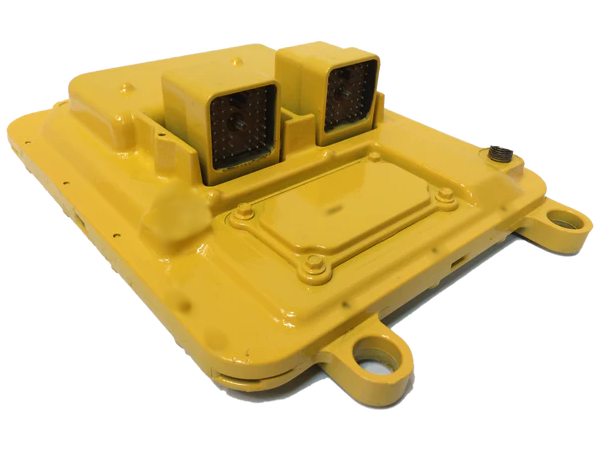
Caterpillar ECM Failure Symptoms and Repair Options
Caterpillar engines are widely used in heavy-duty trucks, construction equipment, industrial machinery, and other demanding applications. The Engine Control Module (ECM) plays a critical role in monitoring and controlling engine operation.
Like other electronic control modules, a Caterpillar ECM can develop internal electronic faults over time. Heat, vibration, moisture, electrical problems, damaged wiring, voltage irregularities, and component aging may contribute to ECM-related problems.
However, an engine problem or diagnostic fault code does not automatically mean that the ECM is defective. Proper diagnosis of the vehicle or equipment should always be performed before the ECM is removed for testing or repair.
Common Symptoms of a Caterpillar ECM Problem
The symptoms of an ECM problem can vary depending on the engine, application, and type of electronic failure. Some commonly reported symptoms include:
- Engine cranks but does not start
- No communication with diagnostic equipment
- Intermittent starting problems
- Unexpected engine shutdown or stalling
- Injector control problems
- Sensor reference voltage problems
- Loss of communication with other control modules
- Multiple or unusual diagnostic fault codes
- Problems that appear after the ECM becomes warm
These symptoms can also be caused by wiring, connectors, sensors, power or ground circuits, communication networks, or other vehicle components. For this reason, the ECM should not be replaced solely on the basis of one symptom or fault code.
No Communication With the Caterpillar ECM
A loss of communication is one of the problems that may lead technicians to suspect an ECM failure. If diagnostic equipment cannot communicate with the ECM, the module may have an internal power supply or communication circuit problem.
Before determining that the ECM is faulty, technicians should verify the ECM power supplies, grounds, fuses, connectors, wiring, and communication circuits. A problem outside the ECM can produce the same no-communication condition.
Crank but No-Start Conditions
A Caterpillar engine that cranks but does not start can have many possible causes. In some cases, an ECM electronic failure may prevent proper control of injectors or other engine functions required for starting.
However, fuel delivery, sensors, wiring, power and ground connections, mechanical conditions, and other components should be checked as part of the diagnostic process before the ECM is considered defective.
Injector and Output Circuit Problems
The ECM contains electronic circuits that control various engine functions. Internal driver components may become damaged and cause problems with one or more controlled circuits.
If an injector or another ECM-controlled component is not operating correctly, both the external circuit and the ECM should be properly tested. Replacing the ECM without checking the associated wiring and components may not correct the original problem.
5-Volt Reference and Sensor Circuit Problems
Many engine sensors use a regulated reference voltage supplied by the ECM. A missing, low, or abnormal reference voltage can affect multiple sensors and may generate several diagnostic codes.
An internal ECM fault can cause a reference voltage problem, but a shorted sensor or damaged wiring can produce similar symptoms. Disconnecting and testing the related external circuits can help determine where the problem originates.
Intermittent and Heat-Related ECM Problems
Some electronic faults are intermittent and may be affected by temperature or vibration. An ECM may operate normally when cold but develop problems after the engine or module becomes warm.
Intermittent electronic failures can be difficult to identify because the symptoms may disappear when the engine is turned off or after the ECM cools down. Careful diagnosis and electronic testing may be required to locate these types of faults.
Can a Caterpillar ECM Be Repaired?
Many Caterpillar ECM electronic failures can potentially be repaired, depending on the type and extent of the damage. Electronic testing may identify problems involving power supply circuits, communication circuits, output drivers, damaged components, circuit board connections, or other internal faults.
Repairing the original ECM may also avoid some of the complications associated with installing a different or used module. Whether a particular ECM is repairable can only be determined after the unit and the nature of the failure have been evaluated.
Which Caterpillar ECMs Can Develop Electronic Problems?
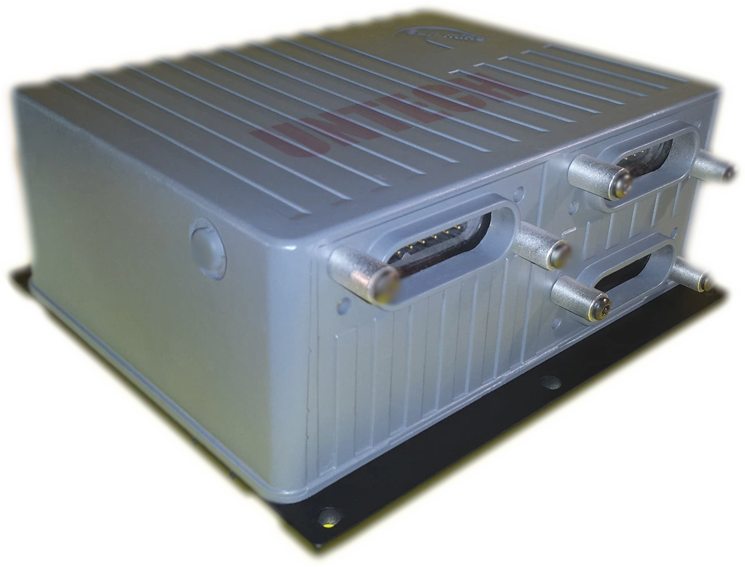
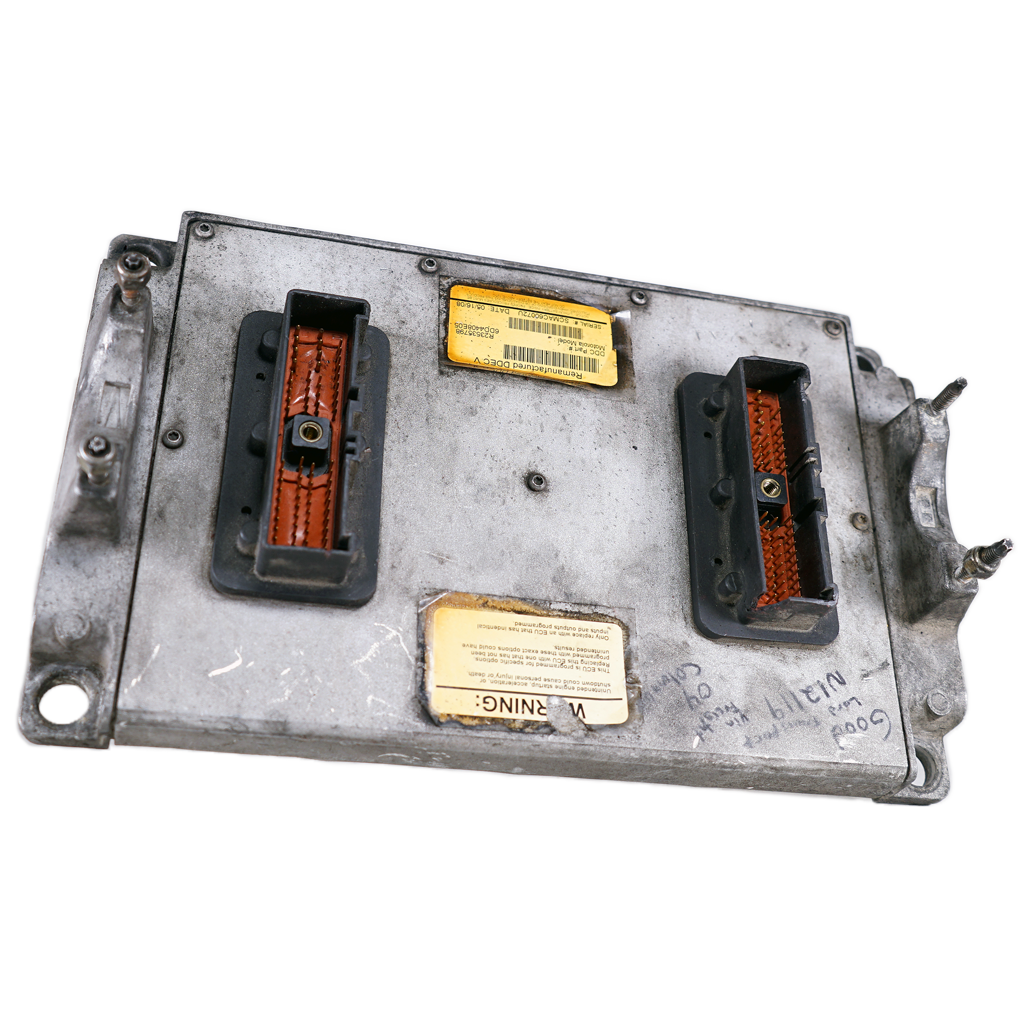
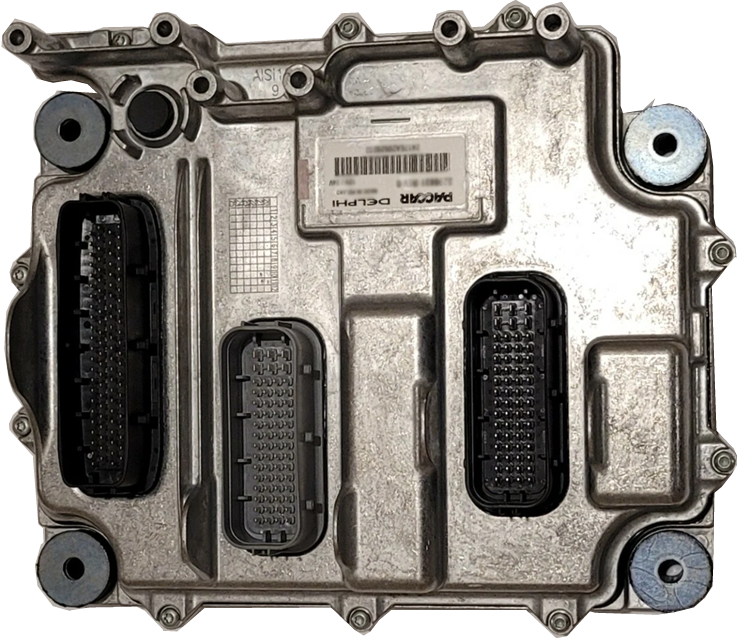
Caterpillar has used different ECM designs across its engine families and applications. ECM configurations can vary according to engine model, year, equipment type, and application.
For this reason, the ECM part number and engine information are useful when requesting testing or repair information. Providing the symptoms and diagnostic information can also help with the initial evaluation.
Caterpillar ECM Testing and Repair
MetxTech provides electronic testing and repair services for Caterpillar ECMs used in a variety of heavy-duty and equipment applications.
Before sending an ECM for repair, we recommend performing appropriate vehicle or equipment diagnostics to verify power, ground, wiring, sensors, communication circuits, and related components. This helps reduce unnecessary ECM replacement or repair when the actual problem is elsewhere in the system.
Contact MetxTech About Your Caterpillar ECM
If you have a Caterpillar ECM that has been diagnosed or is suspected of having an electronic problem, contact MetxTech with the ECM part number, engine or equipment information, and a description of the symptoms.
We can provide information about available testing and repair options for your specific Caterpillar ECM.
💬 Comments (0)
No comments yet. Be the first to comment!
✍️ Leave a Comment